
Why engine oils behave differently in Jamaica’s tropical climate.
Why Jamaica's extreme heat, humidity, and ocean air demand more from heavy-duty oils, and how Rymax Lubricants rises to the challenge.
The Jamaican climate
Jamaica’s tropical climate demands more from lubricants than most environments. With daytime temperature often above 90 degrees F, coastal humidity, and dust from active construction sites, heavy-duty oils are constantly under stress. For cars, trucks, heavy-duty equipment, and other machinery, working long hours, choosing the right lubricant means the difference between smooth operation and costly downtime.
How oil responds to heat
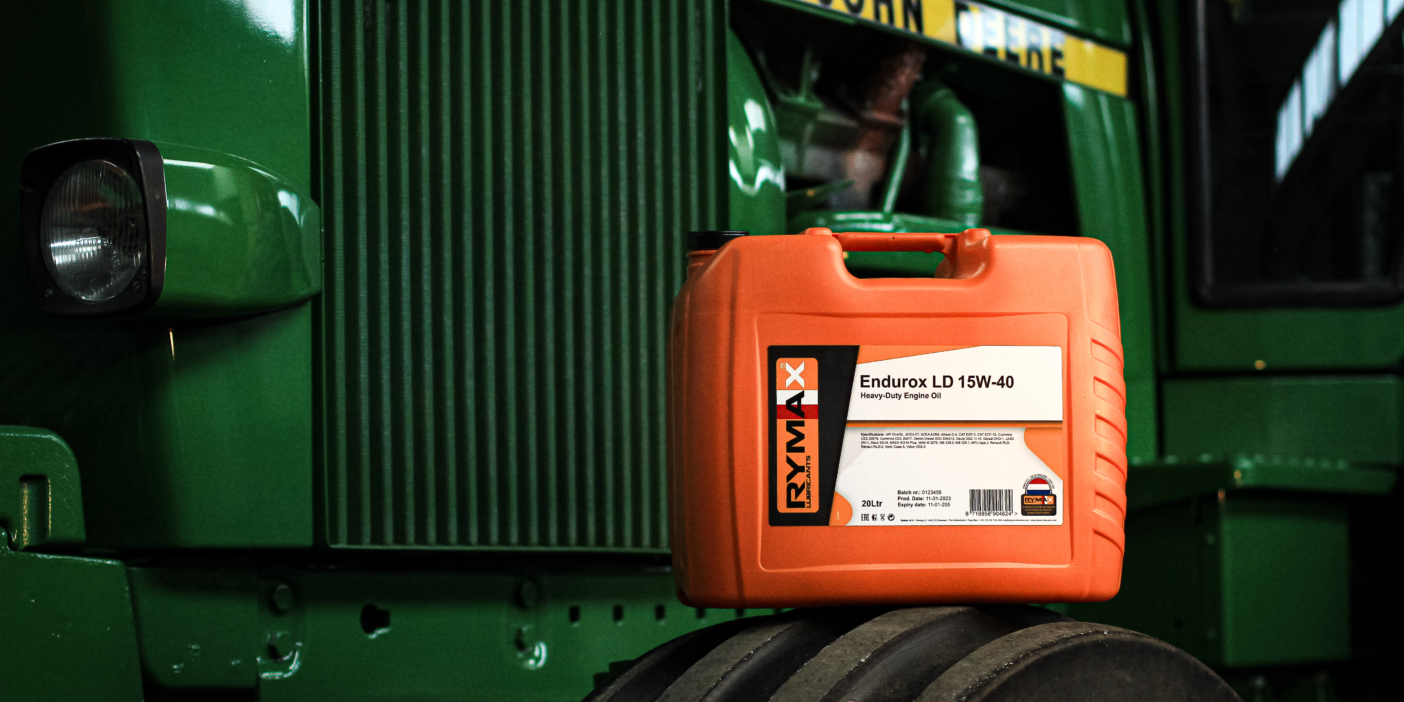
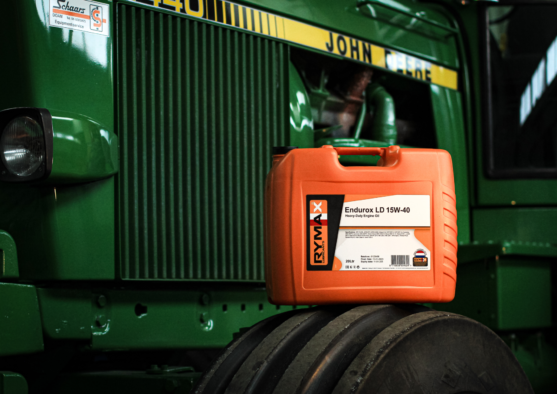
High temperatures can reduce the viscosity of the engine and hydraulic oils, reducing their protective film. In a heavy-duty engine, this can lead to metal-to-metal contact and accelerated wear. Oils such as the Rymax Endurox LD 15W-40, a high-performance diesel engine oil, maintain their body under heat thanks to thermally stable base oils and robust anti-oxidation additives, ensuring engines in quarry trucks or long-haul trailers stay protected even during intense workloads.

Humidity and coastal exposure
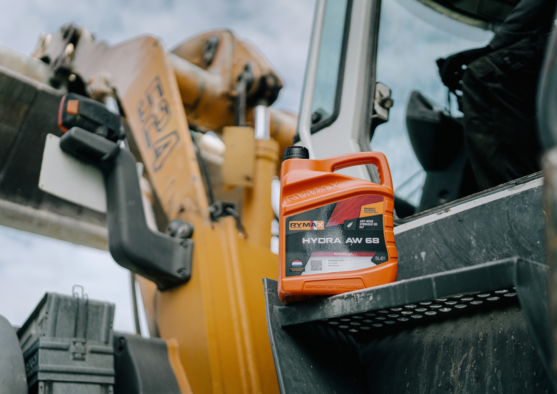
In Jamaica’s hunid environment, condensation can build up inside tanks, engines, and hydraulic systems. Mixes with oil, that moisture can result in rust, corrosion, or foaming. Products like Rymax Hydra AW 68 contain anti-corrosion and anti-foam agents that keep systems stable, even in humid or coastal conditions.

What ‘thermal stability’ really means
Thermal stability is an oil’s ability to resist breakdown when hot. In heavy-duty operations, where engines and hydraulic pumps often exceed 200 degrees F, thermally stable options prevent oxidation, deposits, and viscosity loss. In short: they stay strong when others fail, extending component life and reducing maintenance.
Oil advisor
Not sure about the right Rymax product for you? Use the Rymax Oil Advisor at rymax-lubricantsjamaica.com to find the right product for your fleet.